Why Is It Called Ohiopyle? The Story Behind Pennsylvania’s Favorite River Town
Every weekend, thousands of visitors arrive in Ohiopyle ready to raft the Youghiogheny River, hike to waterfalls, or ride the Great Allegheny Passage. But one question comes up again and again:
“How do you even pronounce Ohiopyle?”
(It’s oh-HIGH-oh-pyle, by the way.)
The next question is usually even better:
“Where did that name come from?”
Like many places in western Pennsylvania, the answer begins long before roads, railroads, or whitewater rafting.
A Name Inspired by White Water
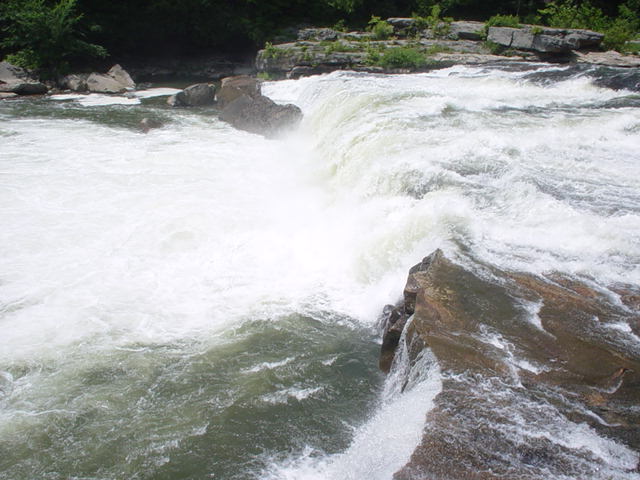
The name Ohiopyle is believed to come from the Lenape (Delaware) phrase ahi opihəle, meaning “it turns very white.” Early versions of the name, including Ohiopehelle, referred to the foaming, white water created as the Youghiogheny River rushed over the falls in the center of town.
If you’ve ever stood on the observation deck overlooking Ohiopyle Falls, you’ve seen exactly what inspired the name. The water churns into a blanket of white foam before continuing into the river gorge—a sight that has captivated people for centuries.
Long before Europeans arrived, Native American peoples traveled, hunted, and fished throughout the Youghiogheny River valley. The Monongahela people lived in the region, and later the Lenape and other tribes passed through as populations shifted across the eastern woodlands. The river wasn’t just beautiful—it was an important travel corridor and source of life.
Before the State Park
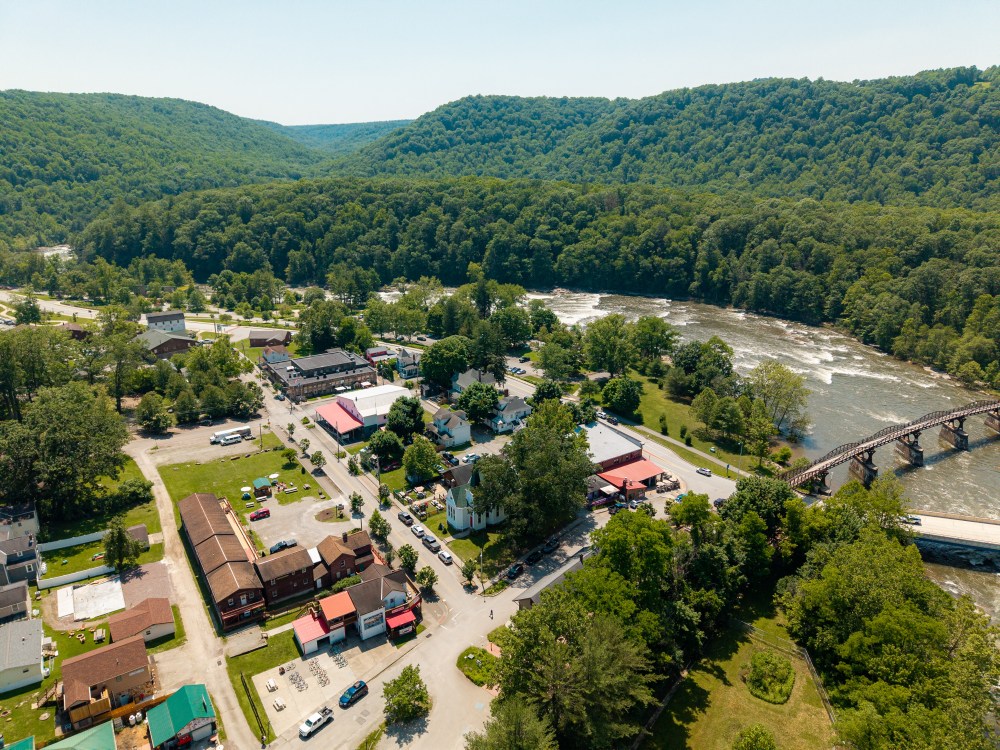
Today’s visitors know Ohiopyle as an outdoor recreation destination, but for much of the 1800s it was a hardworking industrial community.
As settlers moved into the region after the National Road opened nearby in 1811, the surrounding forests became one of the area’s greatest resources. Massive stands of hardwoods fueled a booming lumber industry, while smaller businesses focused on barrel making, tanning, salt production, and coal mining.
The Youghiogheny River helped transport logs, but the biggest transformation came when the railroads arrived in 1871.
The Baltimore & Ohio Railroad and the Western Maryland Railway connected Ohiopyle to Pittsburgh and beyond. Narrow-gauge railroads climbed deep into the surrounding mountains, bringing timber down to sawmills near the river. For a time, the sounds of locomotives and sawmills echoed through the valley where hikers now hear rushing water and birdsong.
From Lumber Town to Vacation Destination
Ironically, the same railroads that carried lumber also brought tourists.
By the late 1800s, city residents were escaping the smoke and heat of Pittsburgh to spend their summers in Ohiopyle. Hotels, boarding houses, walking paths, dance pavilions, bowling alleys, tennis courts, and river overlooks transformed the small town into a thriving mountain resort. A round-trip train ticket from Pittsburgh cost just one dollar, making Ohiopyle one of the region’s favorite vacation destinations.
As automobiles became more common in the early 1900s, rail travel declined and many of those grand resort buildings eventually disappeared. Nature slowly reclaimed the landscape.
The Birth of Ohiopyle State Park
Recognizing the area’s incredible natural beauty, the Western Pennsylvania Conservancy began acquiring land during the 1960s. Much of that property was transferred to the Commonwealth of Pennsylvania, leading to the creation of Ohiopyle State Park in 1965.
Today, more than 20,000 acres are protected for future generations, preserving not only waterfalls and forests, but also the history that makes this place unique.
default
The River Is Still the Main Attraction
Although Ohiopyle has changed dramatically over the centuries, one thing hasn’t.
The Youghiogheny River is still the heart of it all.
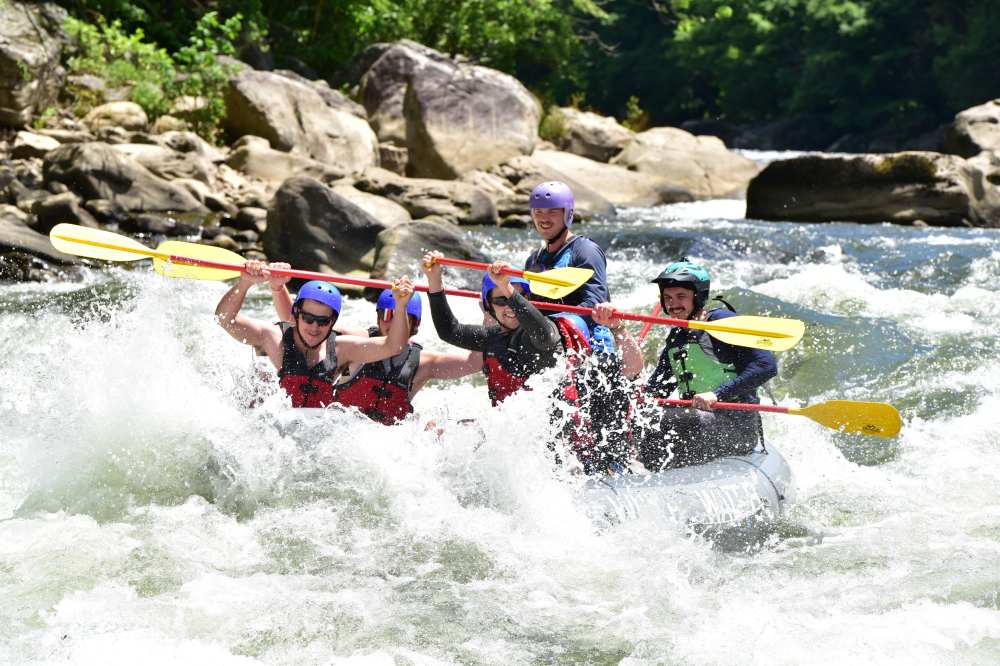
The same white water that inspired the town’s name now draws visitors from across the country to raft, kayak, fish, hike, bike, and simply enjoy one of Pennsylvania’s most remarkable landscapes.
So the next time someone asks why it’s called Ohiopyle, you can tell them the answer has been flowing through town for hundreds of years.